首先要澄清一个概念,并非由若干种花纹组成的图案才能称之为迷彩,即便是单一的伪装色也应属于迷彩。按照专业人士的说法,所有具有伪装保护作用的颜色都可以称作迷彩。常见的迷彩可以分为三类:保护迷彩、变形迷彩和仿造迷彩。保护迷彩是一种单一色调的迷彩,如绿色、土黄色等伪装色。变形迷彩是由多种不规则斑点组成的多色迷彩,主要应用于活动目标。仿造迷彩是指仿制周围背景斑点图案的多色迷彩,只适用于固定目标。我们通常所说的迷彩服实际上属于变形迷彩。不论那一类迷彩,都是为了扰乱视线并与周围环境融洽,以减少被发现或击中的概率。随着科学技术的发展,侦察技术的增强刺激了伪装技术的发展,世界各国的迷彩伪装发展都经历了不同演化阶段。?早期的迷彩迷彩伪装很早以前就在人类战争中被应用,据史料记载,古罗马时期的轻骑兵们就配发了由动物毛皮制成的军服,以便迷惑敌人。最早使用低能见度军服的是英国,1864年,英军大尉哈里·巴纳特·拉姆斯汀在巴基斯坦白沙瓦地区组织了英国陆军侦察队,在制做军服时,拉姆斯汀为了在侦察时便于伪装,针对当地黄土地裸露多风沙大的特点,选定了土黄色军服。在后来的作战行动中,这种军服起到了较好的伪装效果。1886年,时任防御工事总监的安德鲁·克拉克中将的迷彩方案被英军用于隐藏岸炮掩体,堡垒被漆成红色、绿色和黄色,火炮排列紊乱,炮兵阵地很难被辨认出来,在距离较远时伪装非常有效。1899年,英军入侵南非,与当地的荷兰人后裔“布尔人”进行持续3年的“英布战争”。布尔人与英军兵力对比约为1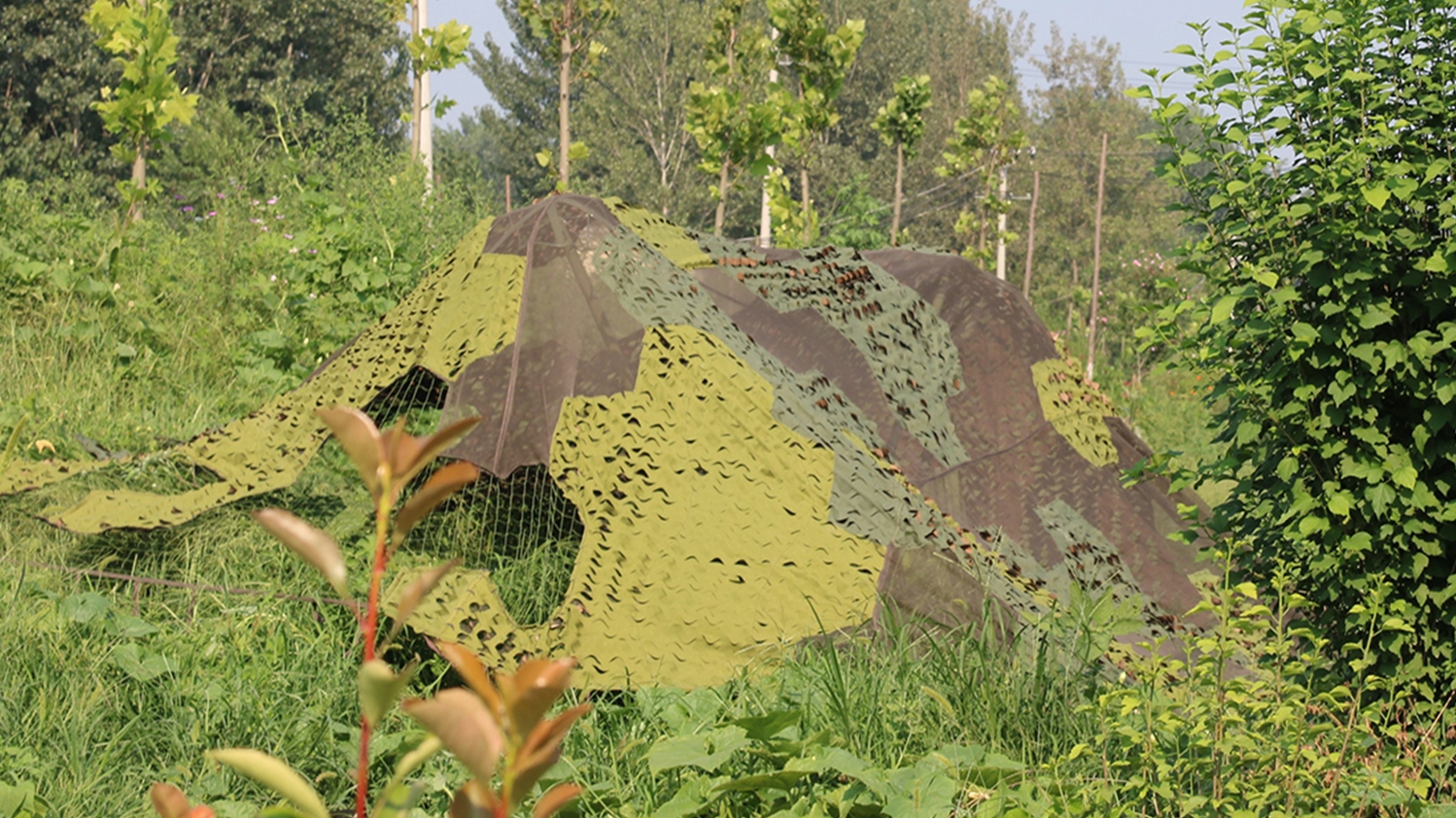
Firstly, it is necessary to clarify a concept that only patterns composed of multiple patterns can be called camouflage. Even a single camouflage color should be considered camouflage. According to professionals, all colors with camouflage protection can be called camouflage. Common camouflage can be divided into three categories: protective camouflage, deformation camouflage, and imitation camouflage. Protective camouflage is a type of camouflage with a single color tone, such as green, earthy yellow, and other camouflage colors. Deformation camouflage is a multi-color camouflage composed of various irregular spots, mainly used for moving targets. Imitation camouflage refers to multi-color camouflage that imitates the pattern of surrounding background spots, and is only suitable for fixed targets. What we usually refer to as camouflage clothing actually belongs to deformation camouflage. Regardless of the type of camouflage, it is all designed to disrupt the line of sight and harmonize with the surrounding environment, in order to reduce the probability of being detected or hit. With the development of science and technology, the enhancement of reconnaissance technology has stimulated the development of camouflage technology, and camouflage development in countries around the world has gone through different stages of evolution. Early camouflage camouflage has been applied in human warfare for a long time. According to historical records, light cavalry in ancient Rome were issued military uniforms made of animal fur to deceive enemies. The earliest use of low visibility military uniforms was in Britain. In 1864, British Lieutenant Harry Barnett Ramstein organized a British Army reconnaissance team in the Peshawar area of Pakistan. When making military uniforms, Ramstein chose a khaki color to facilitate camouflage during reconnaissance, taking into account the characteristics of the exposed yellow soil and strong sandstorms in the area. In later combat operations, this military uniform had a good camouflage effect. In 1886, Lieutenant General Andrew Clark, who was then the director of defense works, used a camouflage scheme by the British army to hide coastal artillery bunkers. The fortresses were painted red, green, and yellow, and the artillery was arranged in a disorderly manner, making it difficult to identify the artillery positions. Disguise was very effective at long distances. In 1899, the British invaded South Africa and engaged in a three-year "Anglo Boer War" with the local Dutch descendants, known as the "Boers". The comparison of Boer and British forces is about 1aa
:5。但布尔人发现,英军的红色军服在南非的热带草原绿色中格外醒目、极易暴露。布尔人从中受到启发,立即将自己的服装和枪炮改为草绿色,便于在密草丛林中隐藏。布尔人常常神不知鬼不靠近英军,突然发动袭击,打得英军措手不及,而英军却难以发现目标。这场战争虽然最终是英军取得了胜利,但英军伤亡达远远超过了布尔人军队的伤亡人数。? 第一次世界大战
: 5. But the Boers found that the red uniforms of the British army were particularly eye-catching and easily exposed in the green of the tropical grasslands in South Africa. The Boers were inspired by this and immediately changed their clothing and guns to grass green, making it easier to hide in the dense grass jungle. The Boers often sneak away from the British army and launch sudden attacks, catching them off guard but making it difficult for them to detect their targets. Although the British ultimately won the war, their casualties far exceeded those of the Boer army. The First World War
岸防炮迷彩伪装
福彩网51115 Coastal defense artillery camouflage
福彩网51115 现代军用迷彩首次出现在一战当中,导致这项技术产生的直接原因是飞机的出现。一战时,飞机用于空中侦察、确定敌方火炮、军队和车辆等的位置和情况,根据这些情报,己方炮火可对那些目标进行直接打击。这一过程导致双方玩起了捉迷藏游戏,每一方都尽量伪装自己的大炮和军队。这就大大刺激了迷彩的诞生,其深远影响直至现代战争。英国最初的迷彩是在大型火炮上描绘图案,或用已经着色的防水油布或网遮盖。为了让武器和背景尽量融合,最初选择的是绿色或者棕色,但是很快发现,如果把黑色或其他深色涂在浅色的旁边,那么从高空俯视时,武器的形状就会变得模糊——这就是迷彩图案的由来。当空中侦察由人眼目视转变为黑白照片拍摄时,反差和形状就比颜色更重要了。迷彩制作可以运用各种亮色进行创作,只要用各种随意形状的深色和浅色涂在大炮上,就可模糊大炮原有的形状。从1916年开始,连坦克也涂上了色彩明亮的伪装图案。1914年进入炮兵服役的巴黎肖像画家谢沃拉被认定是对大炮进行迷彩伪装试验的第一人。随即,一些法国画家开始步其后尘,把他们的聪明才智运用在伪装大型火炮方面。谢沃拉很快就从士兵被提拔为上尉。战争后期,他在众多的西线工厂,负责监督指导那里雇用的1200名男性和8000名女性工人绘制迷彩。 迷彩伪装专家并不总能享受如此悠然的工作,一些画家因此而丧生,更多的人为此受伤。一次,法国制图师法尔克试图从距离敌人50米的战壕跳出去,给尚未完成的迷彩画描上最后一笔,结果眼睁睁地看着自己的右手被子弹洞穿。最初,英国人对他们的土黄色伪装非常有信心,但当他们看到法国人在迷彩伪装方面的进展后,便于1916年发展了自己的伪装部门,它由陆军中校弗郎西斯·怀亚特负责指挥,包括很多著名艺术家,一名重要顾问就是曾经深受欢迎的插图画家、后来成为迷彩专家的所罗门。所罗门认为:“当敌方观察他所设计或制成的作品时,是发现不了任何线索的. 一些士兵认为利用迷彩伪装不那么光明正大,不符合传统意义上的战争规则。所罗门认为这种人的思维已经远远落后于现代战争的实际。忽略伪装的一方必将受制于善于隐藏的一方,或者位置不易被察觉的一方。在所罗门看来,迷彩决不仅仅是战场的即兴表演,更能对赢得现代战争起到至关重要的作用。
Modern military camouflage first appeared in World War I, and the direct cause of this technology was the emergence of airplanes. During World War I, aircraft were used for aerial reconnaissance, determining the location and situation of enemy artillery, troops, and vehicles. Based on this intelligence, our own artillery fire could directly strike those targets. This process led to both sides playing a game of hide and seek, with each side trying to disguise their cannons and army as much as possible. This greatly stimulated the birth of camouflage, which had a profound impact even in modern warfare. The initial camouflage in Britain was to depict patterns on large artillery pieces, or to cover them with already colored tarpaulins or nets. In order to blend the weapon and background as much as possible, green or brown was initially chosen, but it was soon discovered that if black or other dark colors were applied next to light colors, the shape of the weapon would become blurred when viewed from a high altitude - this is the origin of camouflage patterns. When aerial reconnaissance shifts from human visual perception to black and white photography, contrast and shape become more important than color. Camouflage production can use various bright colors for creation. As long as various dark and light colors of arbitrary shapes are applied to the cannon, the original shape of the cannon can be blurred. Starting from 1916, even tanks were painted with brightly colored camouflage patterns. Paris portrait painter Xavier, who entered the artillery service in 1914, was recognized as the first person to conduct camouflage experiments on cannons. Subsequently, some French painters began to follow in their footsteps, applying their intelligence and wit to camouflage large artillery pieces. Xie Wula was quickly promoted from a soldier to a captain. In the later stages of the war, he was responsible for supervising and guiding 1200 male and 8000 female workers employed in numerous factories on the Western Front to draw camouflage. Camouflage experts do not always enjoy such leisurely work, resulting in the death of some painters and injuries to many more. Once, French cartographer Falk attempted to jump out of a trench 50 meters away from the enemy and draw the final line on an unfinished camouflage painting, only to watch helplessly as his right hand was pierced by a bullet. At first, the British had great confidence in their khaki camouflage, but when they saw the progress of the French in camouflage, they developed their own camouflage department in 1916, commanded by Army Lieutenant Colonel Francis Wyatt, which included many famous artists, and an important consultant was Solomon, a once popular illustrator who later became an expert in camouflage. Solomon believed that "when the enemy observes the works he designs or creates, no clues can be found. Some soldiers believe that using camouflage is not so transparent and does not conform to the traditional rules of war. Solomon believed that the thinking of such people has fallen far behind the reality of modern warfare. The side that ignores camouflage will inevitably be constrained by the side that is good at hiding or the side whose location is not easily detected. In Solomon's view, camouflage is not just an impromptu performance on the battlefield, but can play a crucial role in winning modern warfare.
福彩网51115 所罗门的伪装部队被冠以迷惑性很强的名字“特别主题公园”,经营着几家工厂制造伪装材料。到战争末期,所罗门的伪装部队已经制造了84万平方米的迷彩帆布,超过366万米的迷彩平纹棉麻织物、549万米的铁丝网和585万平方米的渔网,所有这些都用于伪装工作。? 英国人认为:伪装面临的最大挑战就是那些照片分析专家,与飞行员相比,他们观察时间更长且不受干扰,并能够分析出照片所记录的信息。相机是最准确的证人,照片总是能够记录某些事情。伪装的艺术在于:要将希望传达出去的错误信息,像事物原本的意思那样传达给对手。 土壤和植被的扰动、车辆留下的痕迹、军事目标的投影以及爆炸气浪是最明显的痕迹。迷彩伪装本身也要借助高空摄影,所有挖掘工作造成的破坏都要加以掩盖。军车在障碍物或树旁一线排开,军事设备亦隐藏在其他障碍物附近,在草地上制造伪爆炸痕迹可用以诓骗对方,对炮兵最有效的伪装手段就是将整片区域伪造成普通农田,在伪装网下隐藏火炮。
福彩网51115 Solomon's disguised troops were given the misleading name "Special Theme Park" and operated several factories to manufacture camouflage materials. By the end of the war, Solomon's camouflage forces had produced 840000 square meters of camouflage canvas, over 3.66 million meters of camouflage plain cotton and linen fabric, 5.49 million meters of barbed wire, and 5.85 million square meters of fishing nets, all of which were used for camouflage work. British people believe that the biggest challenge facing camouflage is the photo analysis experts who, compared to pilots, observe for longer periods of time without interference and are able to analyze the information recorded in the photos. The camera is the most accurate witness, and photos can always record certain things. The art of disguise lies in conveying the wrong information that one hopes to convey to the opponent, just like the original meaning of things. The disturbance of soil and vegetation, traces left by vehicles, projections of military targets, and explosive waves are the most obvious traces. Camouflage itself also requires high-altitude photography, and all damage caused by excavation work must be covered up. Military vehicles are lined up near obstacles or trees, and military equipment is also hidden near other obstacles. Creating fake explosion marks on the grass can be used to deceive the enemy. The most effective camouflage method for artillery is to forge the entire area as ordinary farmland and hide the artillery under the camouflage net.
福彩网51115 除了有关火炮和其他武器的隐藏手段,也有用来保护士兵的对策,比如木制的假人。在发动进攻之前几分钟,这些木人在进攻方向一侧或两侧的壕沟上被暴露出来,在烟雾的掩护下吸引敌人火力,同时隐藏了真正进攻的方向。德军也在使用画家绘制迷彩伪装武器,其中最著名的就是表现主义画家弗兰茨·马克。他曾是一名骑兵,1916年2月,他在将现代画风格彩绘运用于迷彩,采取自然色彩伪装方式用描绘着粗犷的点的彩画图案来隐藏炮位,以避免被空中观察员和航拍照片发现。当时空中侦察的距离平均高度为2000米,看起来是一个异常遥远的视觉距离,但是敌人的飞机从未飞得比这更低。
In addition to concealment methods related to artillery and other weapons, there are also countermeasures used to protect soldiers, such as wooden dummies. A few minutes before launching the attack, these wooden figures were exposed on one or both sides of the trench in the direction of the attack, attracting enemy firepower under the cover of smoke while hiding the true direction of the attack. The German army also used painters to paint camouflage weapons, among whom the most famous was the expressionist painter Franz Marc. He was once a cavalryman. In February 1916, he applied modern painting style to camouflage, using natural color camouflage to hide gun positions with painted patterns depicting rough points, in order to avoid being detected by aerial observers and aerial photographs. At that time, the average altitude of aerial reconnaissance was 2000 meters, which seemed an unusually distant visual distance, but enemy planes had never flown lower than this.
福彩网51115 迷彩图案非常适于移动物体的伪装,使其自然地融入背景当中,这点对飞机来说效果尤其明显。而德国人把它发挥到更高水平,他们用亮色图案来覆盖机身,最著名的就是菱形图案,所有的飞机的整个或者部分机身都被涂上了稀奇古怪的菱形图案,这些图案可在飞机制造过程中直接印制在机身上,亦可在战时手工涂绘,一些菱形图案甚至被涂以6-7种颜色,这些设计很快因效果突出而声名鹊起,并由此自成一种新的空中迷彩形式。所罗门认为,早在战争初期,德国在大型阵地的迷彩伪装技术方面,就已遥遥领先于协约国。他后来公开了相关照片,证实早在1914年夏天,德国就已采用复杂的土层掩盖防空掩体,他将其称为“战略伪装”,早在1918年3月他就将有关德国这一举动的证据提交给当局,但直到战争结束,这些证据却备受官方批驳。到1918年,没有一位英国或法国的专业人士去怀疑德国拥有和英法完全不同的、甚至更广泛的迷彩伪装方法。
Camouflage patterns are very suitable for disguising moving objects, allowing them to naturally blend into the background, which is particularly effective for airplanes. And the Germans took it to a higher level by covering the fuselage with bright color patterns, the most famous of which is the diamond pattern. All aircraft's entire or partial fuselage is coated with strange diamond patterns, which can be directly printed on the fuselage during the aircraft manufacturing process or hand painted during wartime. Some diamond patterns are even painted in 6-7 colors. These designs quickly became famous for their outstanding effects and thus became a new form of aerial camouflage. Solomon believed that as early as the early stages of the war, Germany was far ahead of the Allied powers in camouflage technology for large positions. He later released relevant photos, confirming that as early as the summer of 1914, Germany had already used complex soil layers to cover up air defense shelters, which he called "strategic camouflage". As early as March 1918, he submitted evidence about Germany's actions to the authorities, but it was not until the end of the war that these pieces of evidence were officially refuted. By 1918, no British or French professional had doubted that Germany had a completely different or even more extensive camouflage method than Britain and France.
由于德国深知空中侦察的重要性,因此能够比英法更为迅速地消除痕迹。战争初期,德国空军的一项任务就是利用相机拍照,标示有利于己方火炮进行迷彩伪装的位置。协约国直到俘获了一架德军侦察机,才知道相机在这方面也能发挥作用。德国人一直在通过研究空中拍摄的照片来开展迷彩伪装。比如认识到普通建筑会产生影子后,德国人就用涂有迷彩的木板,搭建带有缓慢斜坡的飞机棚以掩盖投影;当英军只会用网子掩盖士兵帐篷时,德军已经懂得把10个帐篷集中在一起,并根据不同的斜度用迷彩伪装网把它们全部盖住,以伪装成一片衣田。这些巨大而精湛的伪装技术给后来的研究者留下深刻印象,有理由相信,德军高超的迷彩伪装曾严重干扰了协约国的高层指挥。
Due to Germany's deep understanding of the importance of aerial reconnaissance, it is able to eliminate traces more quickly than Britain and France. In the early stages of the war, one of the tasks of the German Air Force was to use cameras to take photos and mark positions that were conducive to camouflage of their own artillery. The Allied powers did not realize that cameras could also play a role in this regard until they captured a German reconnaissance plane. Germans have been conducting camouflage by studying aerial photographs. For example, after realizing that ordinary buildings would produce shadows, Germans used camouflaged wooden boards to build airplane shelters with slow slopes to cover up the projections; When the British only knew how to cover their soldiers' tents with nets, the German already knew how to gather 10 tents together and cover them all with camouflage nets according to different angles to disguise themselves as a field of clothing. These massive and exquisite camouflage techniques left a deep impression on later researchers, and there is reason to believe that the German army's superb camouflage seriously disrupted the high-level command of the Allied powers.
福彩网51115 公平地说,1918年英军也曾提倡对整片地区进行大面积伪装来隐藏所有的军备,但相对于德军从1914年就开始运用这种方法来伪装其所有部队的集结和行动,这种规划在战争中来得太迟了。
To be fair, in 1918, the British army also advocated for extensive camouflage of the entire area to conceal all military equipment, but compared to the German army's use of this method to camouflage the assembly and actions of all its troops since 1914, this plan came too late in the war.
一战英国军舰迷彩
福彩网51115 British warship camouflage during World War I
福彩网51115 “眩目”的船只?一战中最著名的迷彩伪装就是被称为“眩目”的用以船舶伪装的设计。这种奇怪而醒目的迷彩图案设计是战前艺术家诺曼·威尔金森少校的创作,他后来在1919年的一篇演说中解释了这种设计背后的理念,
The most famous camouflage in the Battle of "Dazzling" ships was the design known as "Dazzling" used for ship camouflage. This strange and striking camouflage pattern design was created by the pre war artist Major Norman Wilkinson, who later explained the concept behind this design in a speech in 1919,
这种设计的初衷是对最初看到船只的敌人起到迷惑作用,让其以为自己所处的位置无法击中目标,从而重新寻找合适的射击位置。”“眩目”采用反差强烈的混乱色彩组合,打破了人们对于船只外形的习惯认知,从而给敌方潜艇的进攻过程制造了很大麻烦。
The original intention of this design was to confuse the enemy who initially saw the ship, making them think that their position could not hit the target, and thus search for a suitable shooting position again. ”Dazzling "uses a chaotic color combination with strong contrast, breaking people's habitual cognition of the appearance of ships, thus causing great trouble for the enemy submarine's attack process.
它的主要目的是扰乱德国潜艇的进攻:而且有证据显示,这种方式确实奏效了。 一名见过这种迷彩的德军潜艇指挥官说:“当时天空明朗,能见度很高。直到那艘船已经到达离我不到1.5公里的距离,我才辨认出那是一艘在我右方进行作业的船只。它后部的深色条纹使船艉看上去像船头,而船体中部的呈大切口状的绿色涂漆看上去就像是水的斑点,这是我见过的最棒的伪装。”
Its main purpose was to disrupt the attack of German submarines, and there is evidence to suggest that this approach did indeed work. A German submarine commander who had seen this camouflage said, "At that time, the sky was clear and visibility was very high. It wasn't until the ship had reached a distance of less than 1.5 kilometers from me that I recognized it as a ship operating on my right. The dark stripes at the back made the stern look like the bow, while the large cut shaped green paint in the middle of the hull looked like water spots. This was the best camouflage I had ever seen
福彩网51115 截至1917年10月,这种迷彩的初步应用取得了巨大成功,因此英国海军决定将其所有商船都绘上耀眼的图案。在一个可用潜望镜进行观察的工作室里,所有图案都事先在小型木制模型上进行试验,很多图案都是由英国皇家美术院的艺术家专门绘制的,他们的设计随即交给一名领班,由其负责将这些图案按比例放大,供真实物体使用,这种迷彩使用的大部分颜料就是黑、白、蓝、绿,有些是原色,有些是混合在一起的;在确定了一艘舰船的设计后,垂直线是需要尽量避免的,斜线、曲线和条纹是至今为止最好的选择,并能产生最大的扭曲效果。
As of October 1917, the initial application of this camouflage had achieved great success, so the British Navy decided to paint all of its merchant ships with dazzling patterns. In a studio where periscopes can be used for observation, all patterns are tested on small wooden models in advance. Many patterns are specially drawn by artists from the Royal Academy of Fine Arts in the UK, and their designs are then handed over to a supervisor who is responsible for scaling up these patterns for use with real objects. Most of the pigments used in this camouflage are black, white, blue, and green, some of which are original colors and some are mixed together; After determining the design of a ship, vertical lines need to be avoided as much as possible, while diagonal lines, curves, and stripes are the best choices so far and can produce the maximum twisting effect.
威尔金森奔赴美国,想把使用“眩目”迷彩伪装的建议传达给美国海军,但美国人已经有了自己独特的方案。到战争结束时,1256艘美国商船也使用了迷彩伪装技术,而且声称只有不到1%的船只遭到德国鱼雷的攻击。英国海军部建立了委员会以鉴定“眩目”的实际价值。尽管1918年9月报告称,没有证据可以显示敌人会一直被这种迷彩所迷惑,但使用迷彩的商船上的军官和士兵信心和士气大增,这点毋庸置疑。因此该报告建议应该继续大规模使用这种迷彩。
福彩网51115 Wilkinson went to the United States to convey the suggestion of using "dazzling" camouflage to the US Navy, but the Americans already had their own unique plan. By the end of the war, 1256 American merchant ships also used camouflage technology and claimed that less than 1% of the ships were attacked by German torpedoes. The British Admiralty has established a committee to assess the actual value of 'dazzling'. Although the September 1918 report stated that there was no evidence to show that the enemy would always be deceived by this camouflage, there was no doubt that the confidence and morale of officers and soldiers on merchant ships using camouflage had greatly increased. Therefore, the report suggests that this camouflage should continue to be used on a large scale.
可见,和实用性相比,迷彩伪装策略还有心理方面的作用。
福彩网51115 It can be seen that compared to practicality, camouflage strategies also have psychological effects.
士兵的伪装?尽管伪装术被应用于大炮、坦克、飞机和轮船等方面,但在每个士兵身上使用迷彩伪装图案在一战中并未被广泛应用;整个战争期间,大部分军队穿着单一颜色的战斗制服,英国士兵穿黄褐色军装,德军士兵穿土灰色军装,当然也有几个引人注目的个别现象;法国士兵开始由于穿着深蓝色外衣和红裤子,很容易被发现,这一点迫使法军在战争开始后不久便把服装更换为和地平线天空类似的蓝色。?? 这一时期的伪装发展吸收了各种思想,美国艺术家和动物学家阿博特·塞耶1 9 0 9年出版的《动物王国的伪装色》受到广泛的阅读,设计师们试图通过了解动物如何伪装以改变军服和装备的颜色 ;格式塔心理学理论、立体主义 、漩涡和印象派的破坏轮廓、抽象和色彩理处理也影响了伪装的发展。 ?? ?1915年法国在尤金尔宾为首的一群画家、雕塑家和戏剧艺术家成立了迷彩部,用天然材料(网线、粗麻布和织物)生产伪装网;法国士兵(同时也是画家)路易制造了第一个迷彩服,是只有5 个模式的“南希制服”。1916年在一家百货公司工作的厄让·科尔班制作了一套蓝绿点图案的迷彩服,包括一件迷彩背心,它并不是像大炮迷彩那样的图案,生产量也很小。
福彩网51115 Although camouflage techniques have been applied to artillery, tanks, aircraft, and ships, the use of camouflage patterns on each soldier was not widely used in World War I; During the entire war, most of the military wore single color combat uniforms, with British soldiers wearing yellow brown uniforms and German soldiers wearing earth grey uniforms, although there were also a few notable individual phenomena; French soldiers began to be easily detected due to wearing dark blue coats and red pants, which forced the French army to change their clothing to a blue similar to the horizon sky shortly after the start of the war. The development of camouflage during this period absorbed various ideas, and the American artist and zoologist Abbott Sayer's "Disguised Colors in the Animal Kingdom" published in 1909 was widely read. Designers attempted to change the colors of military uniforms and equipment by understanding how animals disguised themselves; The Gestalt psychology theory, Cubism, Whirlpool, and Impressionism's destruction of contours, abstraction, and color processing also influenced the development of camouflage. In 1915, a group of painters, sculptors, and theater artists led by Eugene Rubin established the camouflage department in France, producing camouflage nets using natural materials such as mesh, burlap, and fabric; French soldier (also a painter) Louis created the first camouflage suit, the "Nancy uniform" with only 5 modes. In 1916, Eug è ne Corbin, who worked at a department store, made a set of camouflage clothing with blue-green dot patterns, including a camouflage vest, which was not designed like cannon camouflage and had a small production volume.
福彩网51115 在英军里面,狙击手都配有宽松的到膝盖以下的长袍式狙击专用制服,这些狙击手长袍每件都是单独手工绘制的,这些服装基本上由土褐色的帆布制成,然后在上面还混杂着深土色和深绿色,从而形成迷彩图案;另一种狙击手服装是1916年出现的一种被称为“涂鸦式制服”的裤子。1916年,德国小批量生产了一种双面印有绿色、棕色或褐色图案的钢盔罩,以防止钢盔在阳光下发光。美国从1917年才介入战争,但迅速吸取了协约国在伪装战术方面的教训。美国第40工程师下属的A公司就是几名艺术家自愿建立的一个美国伪装部门,并在法国城市第戎旁建立了一个迷彩伪装工厂。1918年1月成立了妇女储备迷彩军团,他们为战场上的女护士配发了一种带有帽兜的罩衫,上面印有石块和树干等图案。这种试验性质的罩衫可以说是最早采用变形迷彩的伪装服了。19世纪末,苏格兰各狩猎场流行一种“GHILLIESUIT”伪装服,那是看守们用来伏击抓捕盗猎者使用的伪装。1917年"伪装”这一词进入英语, 需要指出的是,在美英等国的常用军语中,并没有“迷彩”的概念,而是用“camouflage”(伪装)一词表示,这个词源自法文“camoufleur”,为欺骗之意。
福彩网51115 In the British army, snipers are equipped with loose, knee down long robe style sniper uniforms, each of which is individually hand drawn. These uniforms are mainly made of earthy brown canvas, mixed with dark earth and dark green to form camouflage patterns; Another type of sniper uniform is a type of pants called the "graffiti style uniform" that appeared in 1916. In 1916, Germany produced a small batch of steel helmet covers with green, brown, or brown patterns printed on both sides to prevent the helmets from shining in sunlight. The United States only intervened in the war in 1917, but quickly learned from the lessons of the Allied Powers in camouflage tactics. Company A, a subsidiary of the 40th Engineer in the United States, was voluntarily established by several artists as an American camouflage department and set up a camouflage factory near the French city of Dijon. In January 1918, the Women's Reserve Camouflage Corps was established, which provided female nurses on the battlefield with a hooded sweatshirt with patterns of stones and tree trunks printed on it. This experimental type of cover up can be said to be the earliest camouflage clothing to use deformable camouflage. At the end of the 19th century, a camouflage suit called "GHILLIESUIT" was popular in hunting grounds in Scotland, which was used by guards to ambush and capture poachers. In 1917, the term "camouflage" entered English. It should be pointed out that in the common military language of countries such as the United States and Britain, there is no concept of "camouflage", but rather the word "camouflage", which originates from the French word "camouflage" and means deception.
福彩网51115 (一战德军钢盔)两次世界大战之间一战后,各种光学侦察器材的出现,使穿着单一颜色军服的士兵很难适应多种颜色的背景环境。1929年,意大利推出了最早的迷彩服,它由棕、黄、绿和黄褐4种颜色,它最初用于帐篷,从1937年在这种模式用于产生伞兵罩衫。现代意义上的迷彩伪装服是德国人在20世纪30年代研制的。1931年,德国人参考意大利迷彩服,推出了不同的迷彩模式。1935年,德国人推出了世界上第一套真正的迷彩服——“帐篷”式迷彩服。这种迷彩服实际上是一种雨披,可让士兵随植被情况对自己和装备进行伪装。“帐篷”迷彩服由防水斜纹棉布制成,采用了1931年研制的碎裂块迷彩。这种迷彩的底色为棕褐色或淡棕色,上面印有大块的棕色和绿色几何图案,并点缀了一些碎石片花纹。1937年,德军首先在党卫队对这种迷彩服进行了测试,证实使用碎石迷彩图案可减少15%的伤亡率。在1938年又推出了获得专利的头盔套,套头毛衣工作服和口罩。大多数党卫队都穿着这种由希克教授设计的“阳光透过树叶的影子” 迷彩服。第二次世界大战1943年,德国为部分士兵装备了3色迷彩军服。这种迷彩服遍布形状不规则的3色斑块,一方面这些斑块可歪曲人体的线条轮廓,另一方面其中部分斑块颜色与背景色近似一体,部分斑块又与背景色差别明显,从视觉效果上分割了人体外形,从而达到伪装变形的效果。二战中,德军配发的迷彩服种类相当繁杂,如悬铃木迷彩、橡叶迷彩、棕榈迷彩等。除痴迷于迷彩伪装的第三帝国外,其盟友也研制出各自的迷彩服:意大利和奥地利军队配发的迷彩服以浅绿和浅棕为底色,上面印有黑色及红棕色斑块;日军在战争即将结束时研制的迷彩服最为简陋,迷彩图案就是一些深绿及深棕色的小点,几乎没有什么伪装作用。1939~1940年的苏芬战争期间,芬兰士兵(大多为职业猎人)在冬季穿着白色伪装服,凭借着对当地环境的熟悉、良好的伪装以及准确的枪法狙击苏军士兵,造成苏军士兵的严重恐慌,苏军称他们为“白色死神”。苏联红军大多数部队穿卡其色的制服,在冬季则配发雪地伪装衣,只有侦察兵、狙击手等特别战斗员穿变形虫模式的连体迷彩服。1943年后,苏军配发了一种新型林地迷彩服,在深绿底色上点缀有棕色的树叶及枝条图案。匈牙利在1938年推出其第一款正式伪装,这一款是在意大利1929年式迷彩模式为基础发展而来的。英国在1940年由艺术家罗兰彭罗斯和冯戈尔 、舞台魔术师马斯基林等人组成了工业伪装研究组研究伪装,直至1942年,他们推出手绘的伞兵丹尼森罩衫(后来用丝网印刷)。1940年美国陆军工程兵部队开始广泛的实验,但一直没有成绩,直到1942年,道格拉斯麦克阿瑟命令制作出150,000丛林迷彩服配发给美军。 他们设计出与青蛙的保护色相近的“ 青蛙皮 ”“ 豹点 ”及“ 鸭猎人 ” 海滩/丛林双面迷彩服,这是第一次配发给美国海军陆战队,在太平洋岛屿作战的士兵普遍反映磨损严重,不适合部队,在1944年中止生产。 1944年,参加诺曼底战役的美军第2装甲师士兵配发了“青蛙皮/“豹点” 迷彩服。由于这种迷彩服的图案与德国党卫军的迷彩过于相似,容易导致友军误伤,于是撤回了这种迷彩服。二战之后战后世界上多数国家的军队都根据不同需要装备了迷彩伪装服。尽管这些迷彩服的伪装图案千奇百怪,但其设计思想基本源自二战期间的德式迷彩和苏式迷彩。一些东欧国家引进了德国的“滴雨”模式,如捷克斯洛伐克就曾广泛使用“滴雨”模式迷彩。法国从50年代开始到80年代末一直使用的“横纹蜥蜴迷彩”和葡萄牙的“纵纹蜥蜴迷彩”,都是从丹尼森罩衫和相关类似的迷彩模式为基础而发展而来的;但也有其它国家的迷彩服是从蜥蜴迷彩演化出来的,如古巴的蜥蜴图案、越战时期美军的虎纹斑等。英国的丹尼森罩衫一直持续到50年代末,直到1970年推出M68式DPM(破碎图案)迷彩服;1984年后,英国重新设计了DPM的图案格局和颜色基调,但仍是容易辨认的,很多国家都模仿或直接使用这种迷彩伪装模式。70年代中期,德国推出“Flecktarn”(斑点迷彩),随后这种模式被一些国家采用:如比利时空军突击队、丹麦、德国和日本。法国及荷兰军队曾侠范围测试使用过这种迷彩伪装模式,后来又推翻重新自行研制。越战初期,美国海军陆战队配发的是暗绿色丛林套装”,头盔覆盖着二战时期的双面迷彩布,一面是棕褐色云团,另一面是带锯齿的绿叶。而“绿色贝雷帽”穿的是有独特的黑色、绿色和棕褐色横线的虎纹斑迷彩服;虽然这种风格成为深受部队喜爱,但这并不是官方认可的制式军服,只是士兵自己向民间裁缝定制的。数码迷彩 1978年到1980年,美陆军与纳蒂克研究中心共同研制数码迷彩,驻扎在欧洲的美国第二装甲骑兵团首先测试使用数码迷彩服,2002年正式列装美国海军陆战队(USMC),现已在美军诸多兵种广泛使用。1979年-1980年,澳大利亚陆军与ROTHTECH公司做数码迷彩试验,在设计这种迷彩服时参考了大量视觉生理学方面的资料,充分考虑到环境变化的因素。最近,数码迷彩图案战斗服装已被很多国家军队正式列装,包括:
After World War I, the emergence of various optical reconnaissance equipment made it difficult for soldiers wearing a single color military uniform to adapt to a multi colored background environment. In 1929, Italy introduced the earliest camouflage clothing, which came in four colors: brown, yellow, green, and yellow brown. It was originally used for tents and was used in 1937 to create paratrooper cover shirts in this pattern. The modern camouflage suit was developed by Germans in the 1930s. In 1931, Germans introduced different camouflage patterns based on Italian camouflage clothing. In 1935, Germans introduced the world's first true camouflage suit - the "tent" style camouflage suit. This camouflage suit is actually a type of rain cloak that allows soldiers to disguise themselves and their equipment according to the vegetation conditions. The "tent" camouflage suit is made of waterproof twill cotton fabric and uses the fragmented block camouflage developed in 1931. The base color of this camouflage is brown or light brown, with large geometric patterns of brown and green printed on it, and embellished with some gravel patterns. In 1937, the German army first tested this camouflage suit on the SS and confirmed that using the gravel camouflage pattern could reduce the casualty rate by 15%. In 1938, patented helmet covers, pullover sweaters, workwear, and masks were introduced. Most SS soldiers wear this camouflage suit designed by Professor Hick, which features the "sunlight shining through the shadows of leaves". In 1943, during World War II, Germany equipped some soldiers with 3-color camouflage military uniforms. This camouflage suit is covered with irregularly shaped 3-color patches. On the one hand, these patches can distort the contours of the human body. On the other hand, some of the patches have colors that are similar to the background color, while others have obvious color differences from the background. From a visual perspective, they divide the human body shape, thus achieving the effect of camouflage deformation. During World War II, the German army issued a wide variety of camouflage uniforms, such as plane camouflage, oak leaf camouflage, palm camouflage, and so on. In addition to the Third Empire, which was obsessed with camouflage, its allies also developed their own camouflage uniforms: the camouflage uniforms issued by the Italian and Austrian armies were based on light green and light brown, with black and reddish brown patches printed on them; The camouflage uniforms developed by the Japanese army towards the end of the war were the most rudimentary, with camouflage patterns consisting of small dark green and brown dots that had almost no camouflage effect. During the Soviet Finnish War from 1939 to 1940, Finnish soldiers (mostly professional hunters) wore white camouflage suits in winter, relying on their familiarity with the local environment, good camouflage, and accurate marksmanship to snipe Soviet soldiers, causing serious panic among Soviet soldiers. The Soviet army called them the "White Reapers". Most units of the Soviet Red Army wore khaki uniforms and were given snow camouflage suits in winter, with only special fighters such as reconnaissance soldiers and snipers wearing amoeboid style jumpsuits. After 1943, the Soviet army issued a new type of forest camouflage suit, decorated with brown leaves and branches on a dark green background. Hungary launched its first official camouflage in 1938, which was developed based on the 1929 Italian camouflage pattern. In 1940, the UK formed an industrial camouflage research group consisting of artists Roland Penrose and Vongol, stage magician Maskelyne, and others to study camouflage. It was not until 1942 that they introduced hand drawn paratrooper Denison hoodies (later screen printed). In 1940, the US Army Corps of Engineers began extensive experiments, but there were no results until 1942, when Douglas MacArthur ordered the production of 150000 jungle camouflage uniforms to be distributed to the US military. They designed "Frog Skin", "Leopard Point", and "Duck Hunter" beach/jungle double-sided camouflage uniforms that were similar in color to frogs. This was the first time they were issued to the United States Marine Corps, and soldiers fighting in the Pacific islands generally reported severe wear and tear, making them unsuitable for the troops. Production was discontinued in 1944. In 1944, soldiers from the US 2nd Armored Division who participated in the Normandy Campaign were issued "Frog Skin/Leopard Point" camouflage uniforms. Due to the similarity between the pattern of this camouflage suit and the camouflage of the German SS, which could easily cause accidental injury to friendly forces, this camouflage suit was withdrawn. After World War II, the armies of most countries in the world were equipped with camouflage suits according to different needs. Although the camouflage patterns of these camouflage uniforms are varied, their design ideas are mainly derived from German and Soviet camouflage during World War II. Some Eastern European countries have introduced Germany's "Drip Rain" pattern, such as Czechoslovakia, which widely used the "Drip Rain" camouflage pattern. The "striped lizard camouflage" used in France from the 1950s to the late 1980s and the "longitudinal lizard camouflage" used in Portugal were both developed based on Denison hoodies and similar camouflage patterns; But there are also other countries' camouflage uniforms that evolved from lizard camouflage, such as Cuba's lizard pattern and the US military's tiger stripe during the Vietnam War. The Denison hoodies in the UK continued until the late 1950s, when the M68 DPM (Broken Pattern) camouflage suit was introduced in 1970; After 1984, the UK redesigned the pattern and color tone of DPM, but it was still easily recognizable, and many countries imitated or directly used this camouflage camouflage mode. In the mid-1970s, Germany introduced the "Flecktarn" (spotted camouflage), which was later adopted by some countries such as the Belgian Air Force Assault Team, Denmark, Germany, and Japan. The French and Dutch armies once tested and used this camouflage camouflage mode within a certain range, but later overturned it and developed it themselves. In the early stages of the Vietnam War, the US Marine Corps was issued a dark green jungle suit, with helmets covered in double-sided camouflage fabric from World War II, with brown clouds on one side and serrated green leaves on the other. The 'Green Beret' is wearing a tiger striped camouflage suit with unique black, green, and brown horizontal lines; Although this style has become popular among the military, it is not an officially recognized standard military uniform, but rather a custom made by soldiers themselves to civilian tailors. From 1978 to 1980, the US Army and the Natick Research Center jointly developed digital camouflage. The US Second Armored Cavalry Regiment stationed in Europe first tested the use of digital camouflage uniforms, which were officially deployed to the US Marine Corps (USMC) in 2002 and are now widely used in many branches of the US military. From 1979 to 1980, the Australian Army conducted digital camouflage experiments with ROTHTECH company. When designing this camouflage suit, a large amount of visual physiology data was referenced, fully considering the factors of environmental changes. Recently, digital camouflage pattern combat clothing has been officially included in the military of many countries, including:
加拿大军队(CADPAT),美国海军陆战队(MARPAT)、美国航空部队( 飞行员作战制服 ),约旦(KA2系列),菲律宾国家警察特别行动部队
Canadian Armed Forces (CADPAT), United States Marine Corps (MARPAT), United States Air Forces (pilot combat uniforms), Jordan (KA2 series), Philippine National Police Special Operations Unit
福彩网51115 、菲律宾海军陆战队、菲律宾陆军,哥伦比亚国民军 (里奥塔),厄瓜多尔军队 ,秘鲁陆军 (PACIPAT),危地马拉陆军特种作战旅,意大利陆军
福彩网51115 Philippine Marine Corps, Philippine Army, Colombian National Army (Riota), Ecuadorian Army, Peruvian Army (PACIPAT), Guatemalan Army Special Operations Brigade, Italian Army
(Vegetato),爱沙尼亚国防军 (ESTDCU),伊拉克国家警察 ,克罗地亚军队(NBS2006) 拉脱维亚 ,芬兰国防军
福彩网51115 (Vegetato), Estonian Defense Forces (ESTDCU), Iraqi National Police, Croatian Army (NBS2006), Latvia, Finnish Defense Forces
(M05),中国武警部队(05型)和解放军 (07型
(M05), Chinese Armed Police Force (Type 05) and People's Liberation Army (Type 07)
),塞尔维亚(DMDU-03),科威特陆军(KAPAT),俄罗斯联邦军队,泰国皇家武装部队,印尼军队 Batalyon
福彩网51115 )Serbia (DMDU-03), Kuwait Army (KAPAT), Russian Federation Army, Royal Thai Armed Forces, Indonesian Army Batalyon
,墨西哥武装部队SEDENA - 08型,土耳其武装部队,黎巴嫩空降团、黎巴嫩海军海豹团 ,新加坡武装部队(林地和干旱),也门国内治安部队。韩国2006年8月通过了一项数码伪装模式有点类似于美国海军陆战队的MARPAT,目前正在供应特种战单位。同时,他们还准备引进另一种正规部队数码迷彩。在德国 、丹麦和日本,列装的是斑点迷彩(flecktarn)而不是像素模式。
, Mexican Armed Forces SEDENA -08, Türkiye Armed Forces, Lebanese Airborne Regiment, Lebanese Navy Seals Regiment, Singapore Armed Forces (woodland and drought), Yemen Internal Security Forces. In August 2006, South Korea adopted a digital camouflage mode similar to the US Marine Corps' MARPAT, which is currently being supplied to special operations units. At the same time, they are also preparing to introduce another type of digital camouflage for regular troops. In Germany, Denmark, and Japan, the column is equipped with speckled camouflage instead of pixel mode.
福彩网51115 目前,一些国家现正积极评价数码迷彩服,如奥地利、波兰和西班牙 。今天,多数迷彩服都采用变形迷彩以迷惑敌人的肉眼。变形迷彩通常由三色或四色形状不规则的色斑构成,一部分色斑和背景色几乎融为一体,另一些色斑则与背景色差别明显。
福彩网51115 Currently, some countries are actively evaluating digital camouflage uniforms, such as Austria, Poland, and Spain. Today, most camouflage uniforms use deformable camouflage to deceive the enemy's naked eye. Deformable camouflage is usually composed of irregularly shaped spots of three or four colors, with some spots almost blending in with the background color, while others have significant color differences from the background.
福彩网51115 这样,就从视觉效果上分割了人体外形,起到迷惑敌人的作用。而在设计迷彩服时,还要求迷彩色斑在服装上不能有任何重复,各种斑点的组合必须能起到破坏服装外形的作用。设计迷彩图案时,设计师首先考虑的是如何让迷彩色斑最大程度地适应作战地区的自然环境。比如,俄罗斯和欧洲一些森林资源丰富的国家多采用带有锯齿和树叶形色斑的迷彩服,沙特等中东国则使用美国研制的三色或六色沙漠迷彩服。自然环境越复杂的国家,需要装备的迷彩服种类就越多。需要说明的是,很多人都认为夜幕降临时最好的伪装就是一身黑色的夜行服”。
In this way, the human body shape is visually segmented, playing a role in confusing the enemy. When designing camouflage clothing, it is also required that the camouflage spots on the clothing must not have any repetition, and the combination of various spots must be able to destroy the appearance of the clothing. When designing camouflage patterns, designers first consider how to make the camouflage spots adapt to the natural environment of the combat area to the greatest extent possible. For example, Russia and some forest rich countries in Europe often use camouflage uniforms with jagged teeth and leaf shaped spots, while Middle Eastern countries such as Saudi Arabia use three or six color desert camouflage uniforms developed by the United States. The more complex the natural environment, the more types of camouflage uniforms need to be equipped in countries. It should be noted that many people believe that the best disguise when night falls is a black nightgown.
但事实上黑色不但起不到伪装的作用,反而会暴露目标。海湾战争期间,美军装备了由黑方格组成的夜间迷彩,使用效果还不错。影响迷彩图案设计的因素不仅仅是环境,民族习惯、宗教信仰、甚至政治因素都决定了一种迷彩图案的诞生。德军二战中使用的各种迷彩服堪称经典,但多数人可能都不清楚,为什么德军的迷彩图案总是离不开各种树木呢?原因很简单,德国人在心灵深处对森林有一种莫名的原始崇拜,因此产生灵感设计出了一系列以树干和树叶为色斑的迷彩服。有意思的是,直到20世纪70年代,伊拉克、利比亚和埃及等国的军服依然使用了德国人设计的迷彩图案。这倒不是因为德军的迷彩在这些地区伪装效果好,而是出于政治因素。众所周知,自1948年以来阿拉伯国家就一直与以色列“叫板”。
But in fact, black not only fails to camouflage, but also exposes the target. During the Gulf War, the US military was equipped with night camouflage composed of black squares, which worked quite well. The factors that affect camouflage pattern design are not only the environment, but also ethnic customs, religious beliefs, and even political factors that determine the birth of a camouflage pattern. The various camouflage uniforms used by the German army during World War II can be considered classics, but most people may not know why the camouflage patterns of the German army always rely on various trees? The reason is simple: Germans have an inexplicable primitive worship of forests deep in their hearts, which inspired them to design a series of camouflage uniforms with tree trunks and leaves as color spots. Interestingly, until the 1970s, military uniforms in countries such as Iraq, Libya, and Egypt still used camouflage patterns designed by Germans. This is not because the German camouflage has a good camouflage effect in these areas, but due to political factors. As is well known, Arab countries have been challenging Israel since 1948.
福彩网51115 为了表示对以色列的愤慨,这几个国家竟然原封不动地照搬了德军的迷彩设计!由于战争的需要和科技的进步,各国对迷彩服的纺织材料和印染技术上不断加以改进。一些国家的设计人员在印制迷彩色斑的染料中加入了特殊的化学物质,使迷彩服反射红外光波的能力与周围自然景物相似,从而达到迷惑近红外夜视仪的目的。一套正规的军用迷彩服不但要起到在白天迷惑敌人的肉眼的功能,还要有防仪器侦察的能力。目前,各国装备的迷彩服基本具备了防近红外及微光夜视器材侦察的能力。近红外光是一种人眼轻易看不到的红外光,可以被物体反射。用近红外夜视仪观察时会发现,在红外的世界中,绿色植物因叶绿素的细胞壁反射了90%以上的近红外线而变成了白色或浅灰色,其他物体也因对红外线的反射能力不同而呈现出不同的灰度。此时,普通的军服就因反射近红外线的能力弱而呈深灰色或黑色。
福彩网51115 In order to express their indignation towards Israel, these countries actually copied the camouflage design of the German army unchanged! Due to the needs of war and advances in technology, countries have continuously improved the textile materials and printing and dyeing techniques for camouflage clothing. Designers in some countries have added special chemicals to the dyes used to print camouflage spots, making the camouflage suit's ability to reflect infrared light waves similar to the surrounding natural scenery, thus achieving the goal of confusing near-infrared night vision devices. A formal military camouflage suit should not only have the function of deceiving the enemy's naked eye during the day, but also have the ability to resist instrument reconnaissance. At present, camouflage uniforms equipped by various countries have basically the ability to resist near-infrared and low light night vision equipment reconnaissance. Near infrared light is a type of infrared light that is easily invisible to the human eye and can be reflected by objects. When observed with a near-infrared night vision device, it can be found that in the infrared world, green plants turn white or light gray due to the reflection of more than 90% of near-infrared light by the cell wall of chlorophyll. Other objects also exhibit different gray levels due to their different ability to reflect infrared light. At this point, ordinary military uniforms appear dark gray or black due to their weak ability to reflect near-infrared light.
因此,设计人员在印制迷彩色斑的染料中加入了特殊的化学物质,使迷彩服反射红外光波的能力与周围自然景物相似,从而达到迷惑近红外夜视仪的目的。目前,有关人员正在研制可防远红外(即热红外)及雷达侦察的迷彩服,以便让士兵在战场上完全“隐身”。需要指出的是,有不少军品爱好者有一种错误的看法,认为迷彩服只要洗过一次就失去了防红外侦视的功能。其实,一套合格的军用迷彩服即便洗烂仍具有防红外侦察的功能。
Therefore, designers added special chemicals to the dye used to print camouflage spots, making the camouflage suit's ability to reflect infrared light waves similar to the surrounding natural scenery, thus achieving the goal of confusing near-infrared night vision devices. At present, relevant personnel are developing camouflage uniforms that can resist far-infrared (i.e. thermal infrared) and radar reconnaissance, in order to make soldiers completely "invisible" on the battlefield. It should be pointed out that many military enthusiasts have a mistaken view that camouflage uniforms lose their anti infrared detection function as long as they are washed once. In fact, a qualified military camouflage suit still has the function of preventing infrared reconnaissance even if it is washed away.
本文由 伪装网 友情奉献.更多有关的知识请点击 http://lifengtech.com/ 福彩网51115 真诚的态度.为您提供为全面的服务.更多有关的知识我们将会陆续向大家奉献.敬请期待.
This article is contributed by Disguise Network Friendship For more related knowledge, please click http://lifengtech.com/ Sincere attitude To provide you with comprehensive services We will gradually contribute more relevant knowledge to everyone Coming soon.

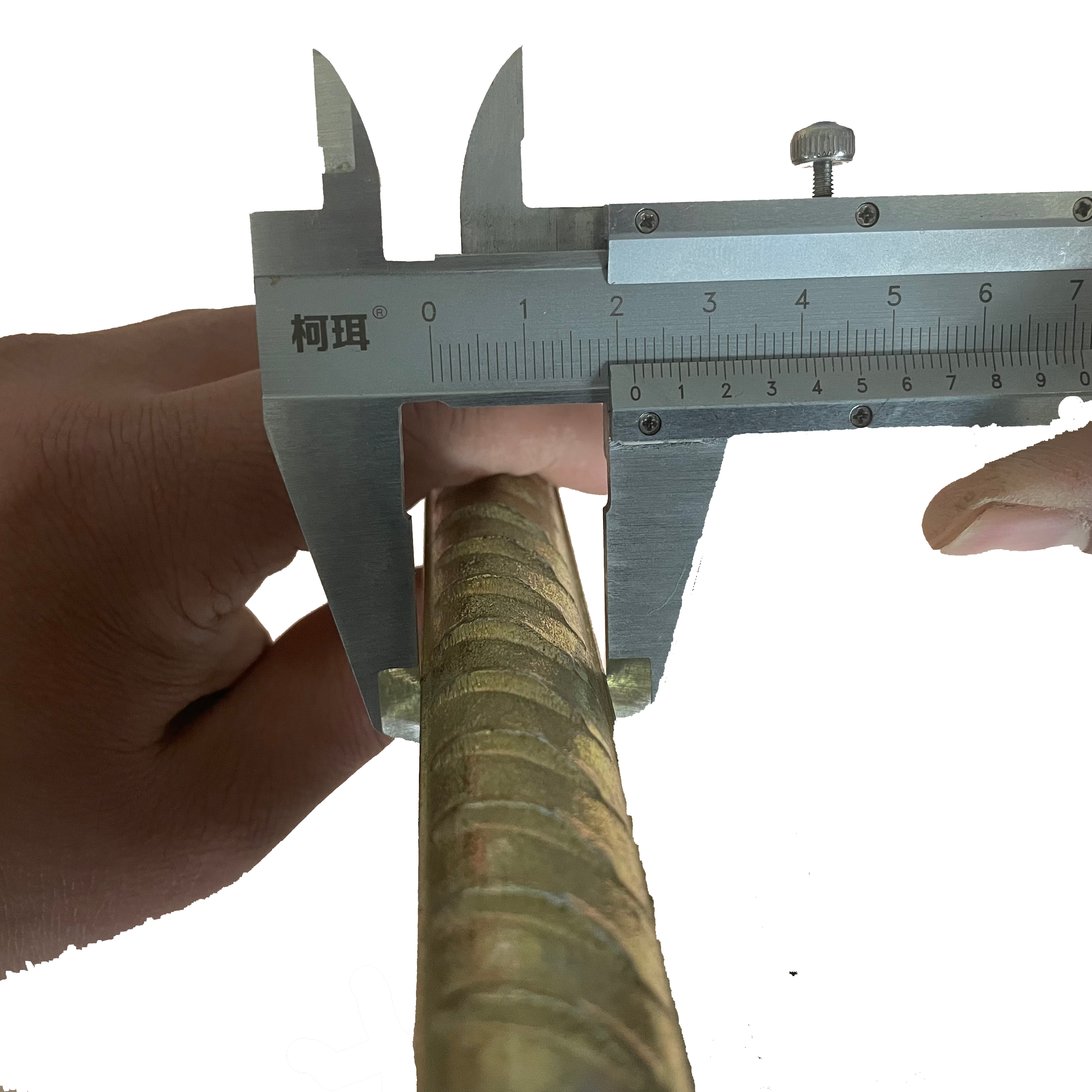
螺纹地钎SS-DQ30014-A
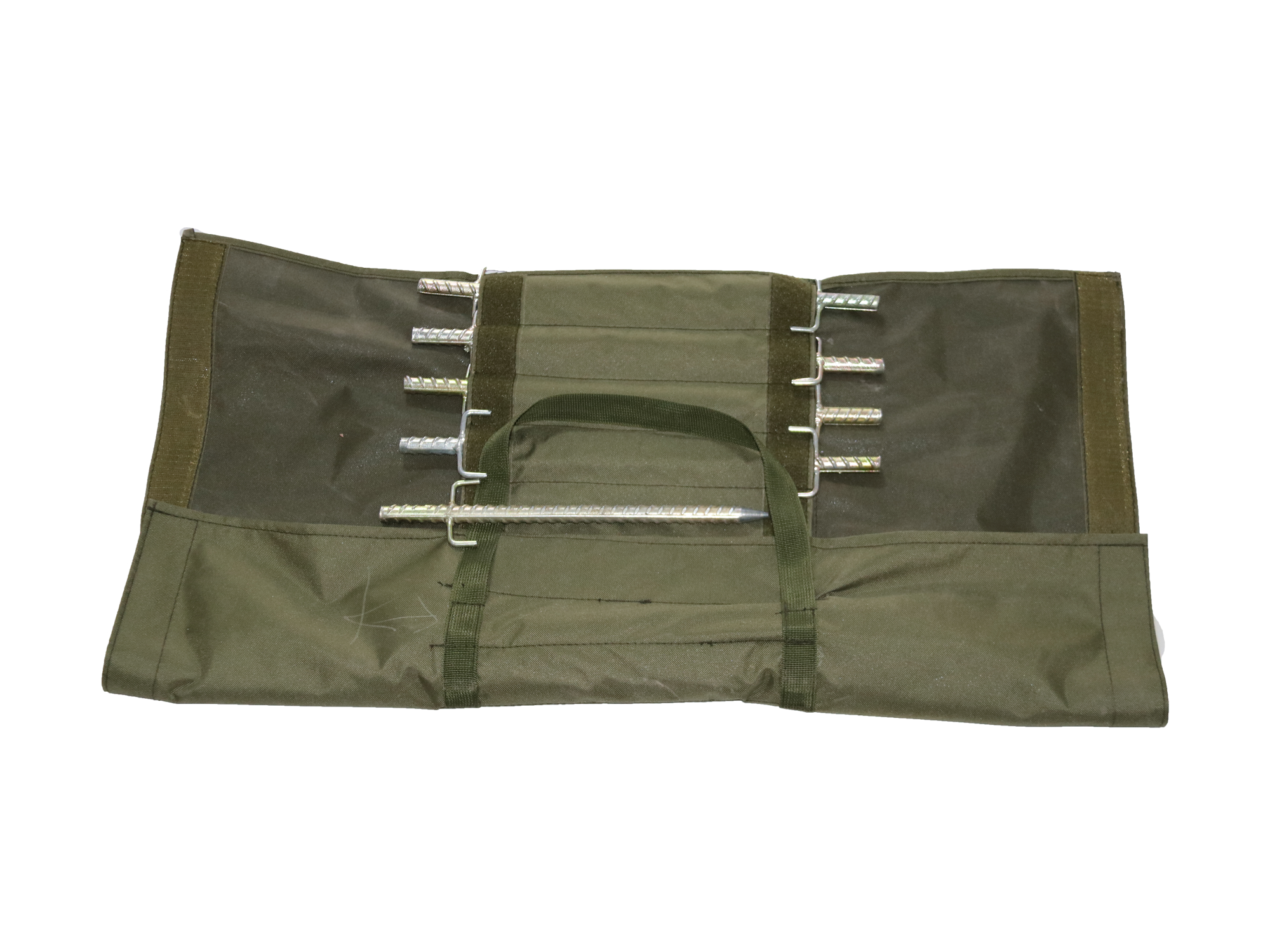
螺纹地钎SS-DQ30014-A
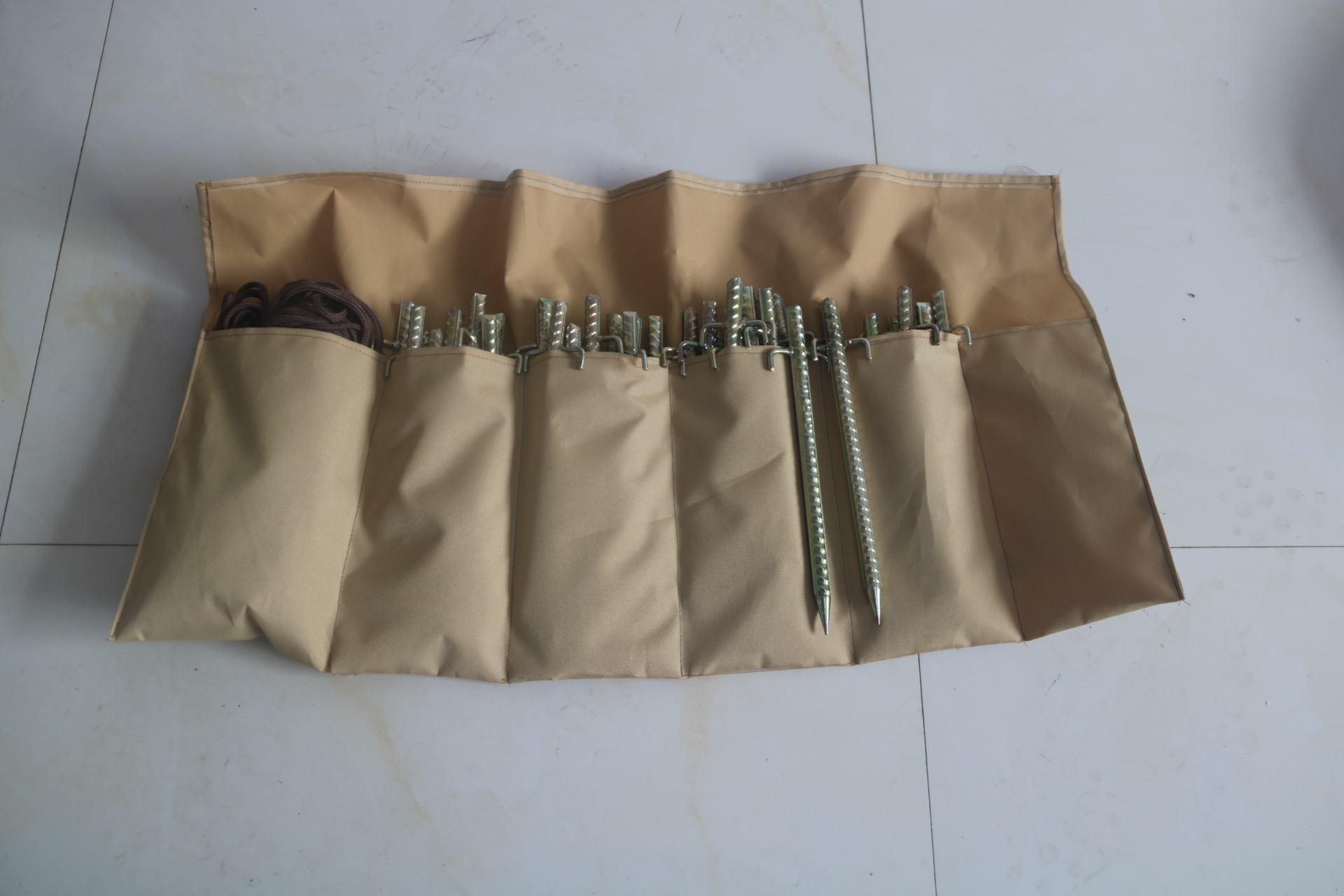
福彩网51115螺纹地钎SS-DQ30014-A
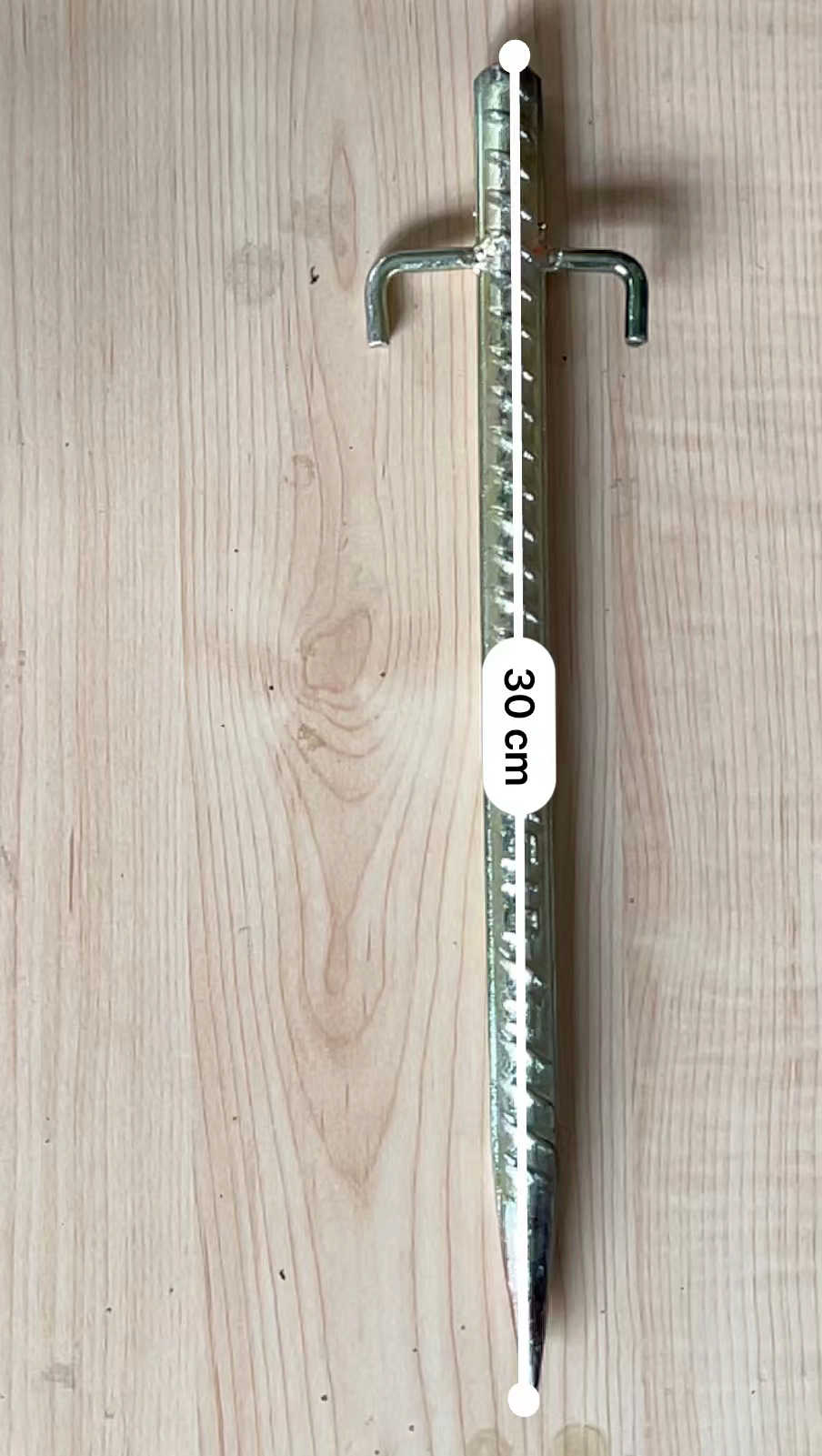
福彩网51115螺纹地钎SS-DQ30014-A

福彩网51115螺纹地钎SS-DQ30014-A
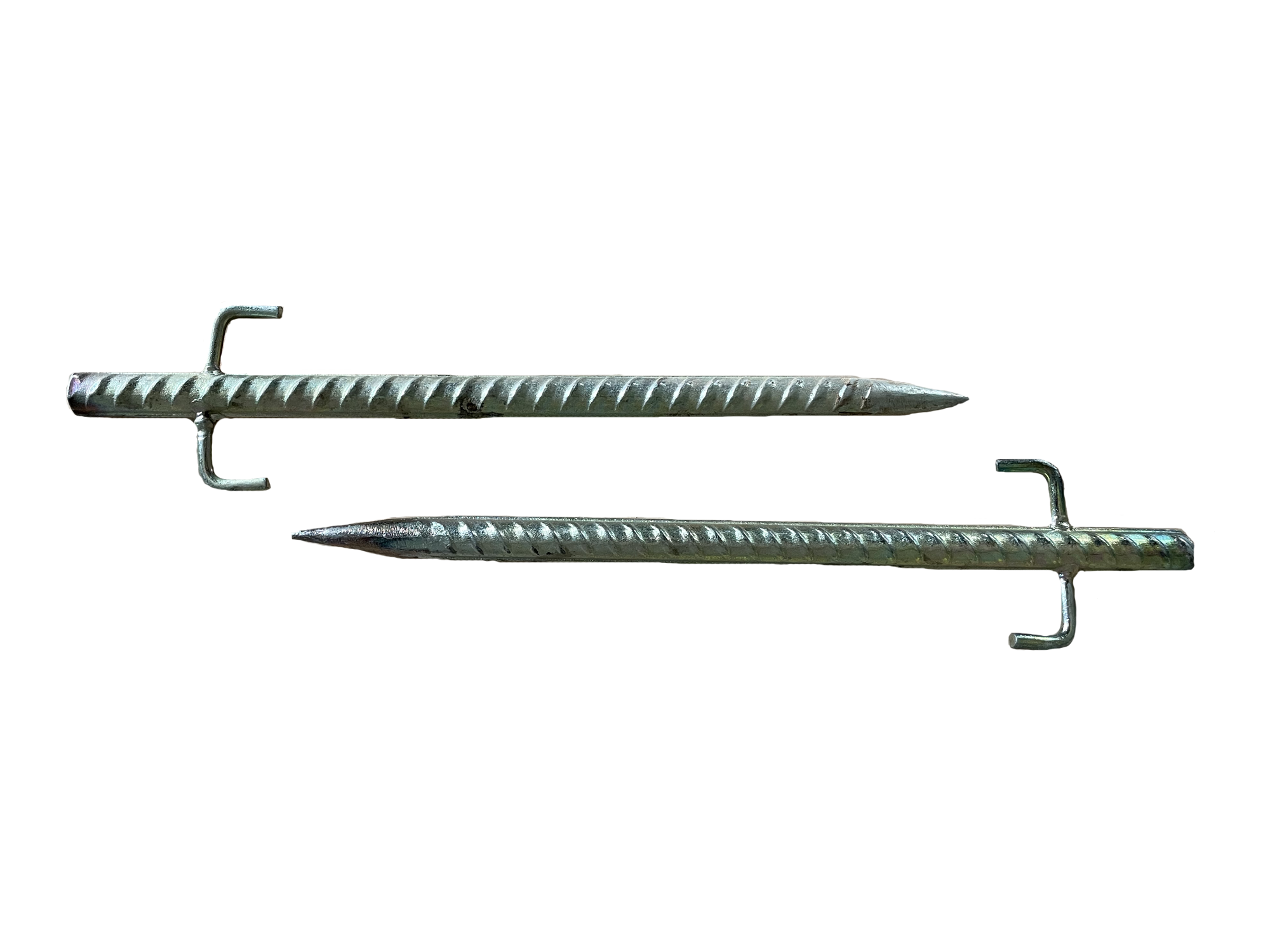
福彩网51115螺纹地钎SS-DQ30014-A

螺纹地钎SS-DQ30014-A

福彩网51115螺纹地钎SS-DQ30014-A

螺纹地钎SS-DQ30014-A
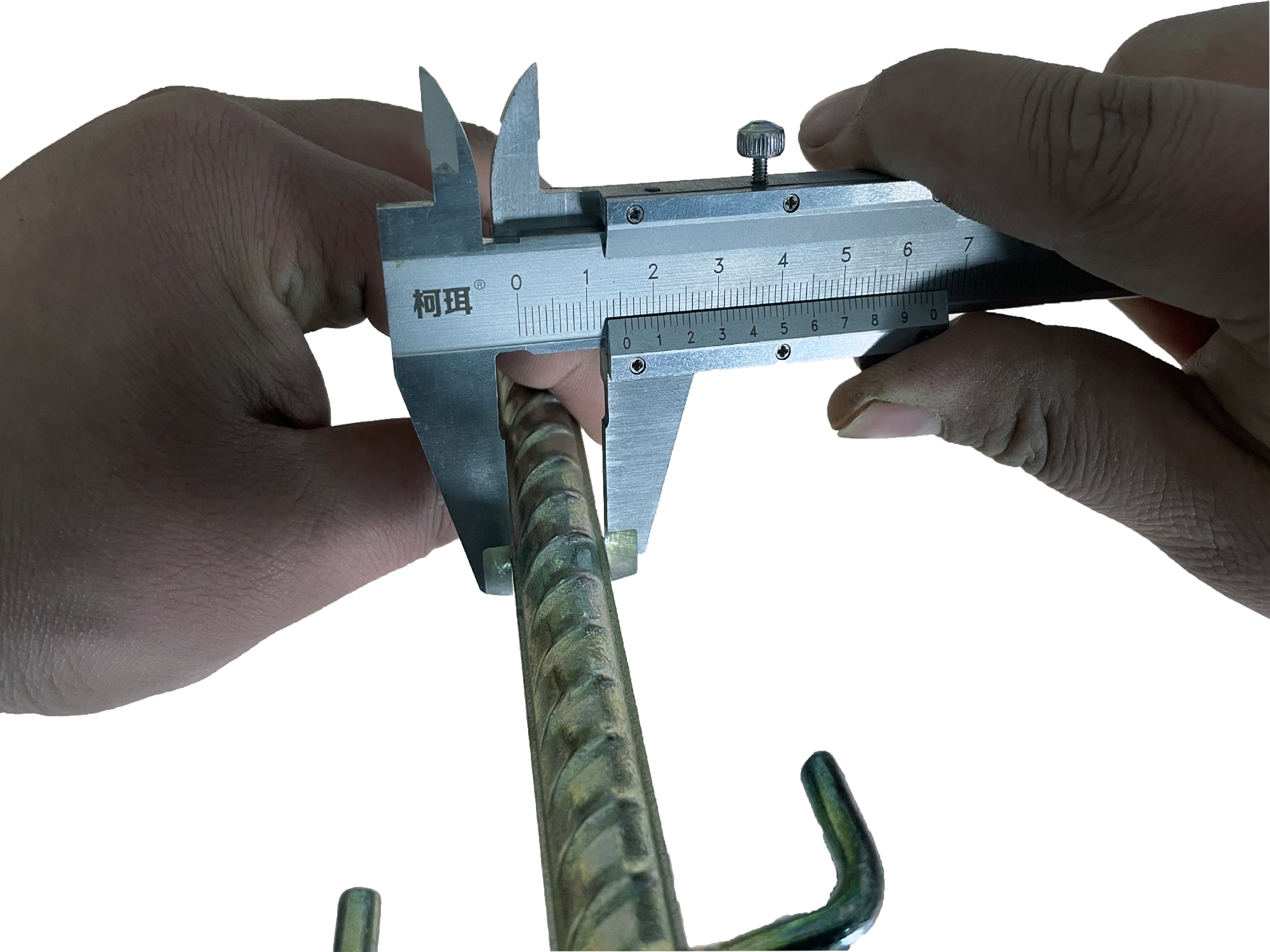
福彩网51115螺纹地钎SS-DQ30014-A
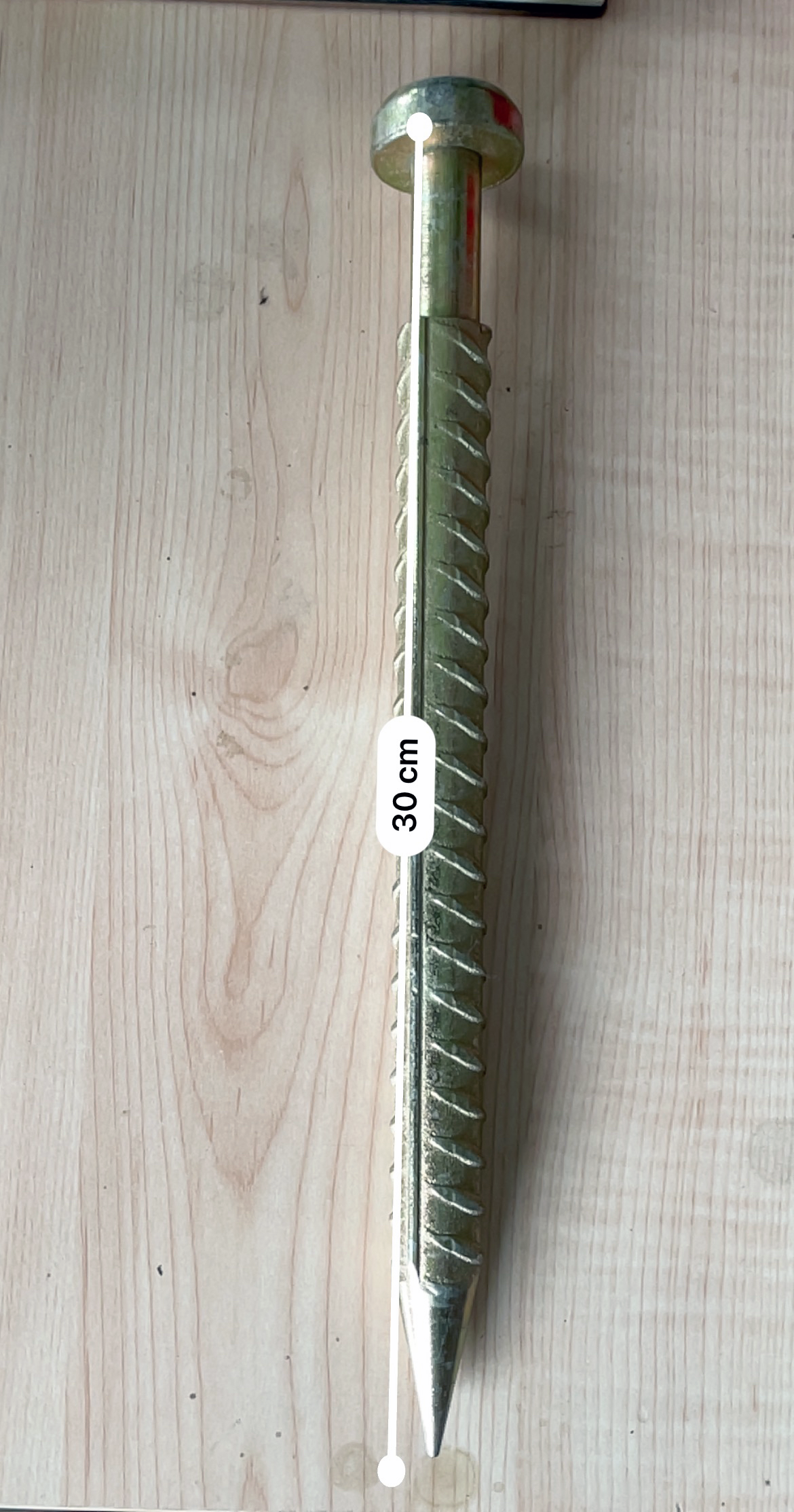
福彩网51115螺纹地钎SS-DQ30020
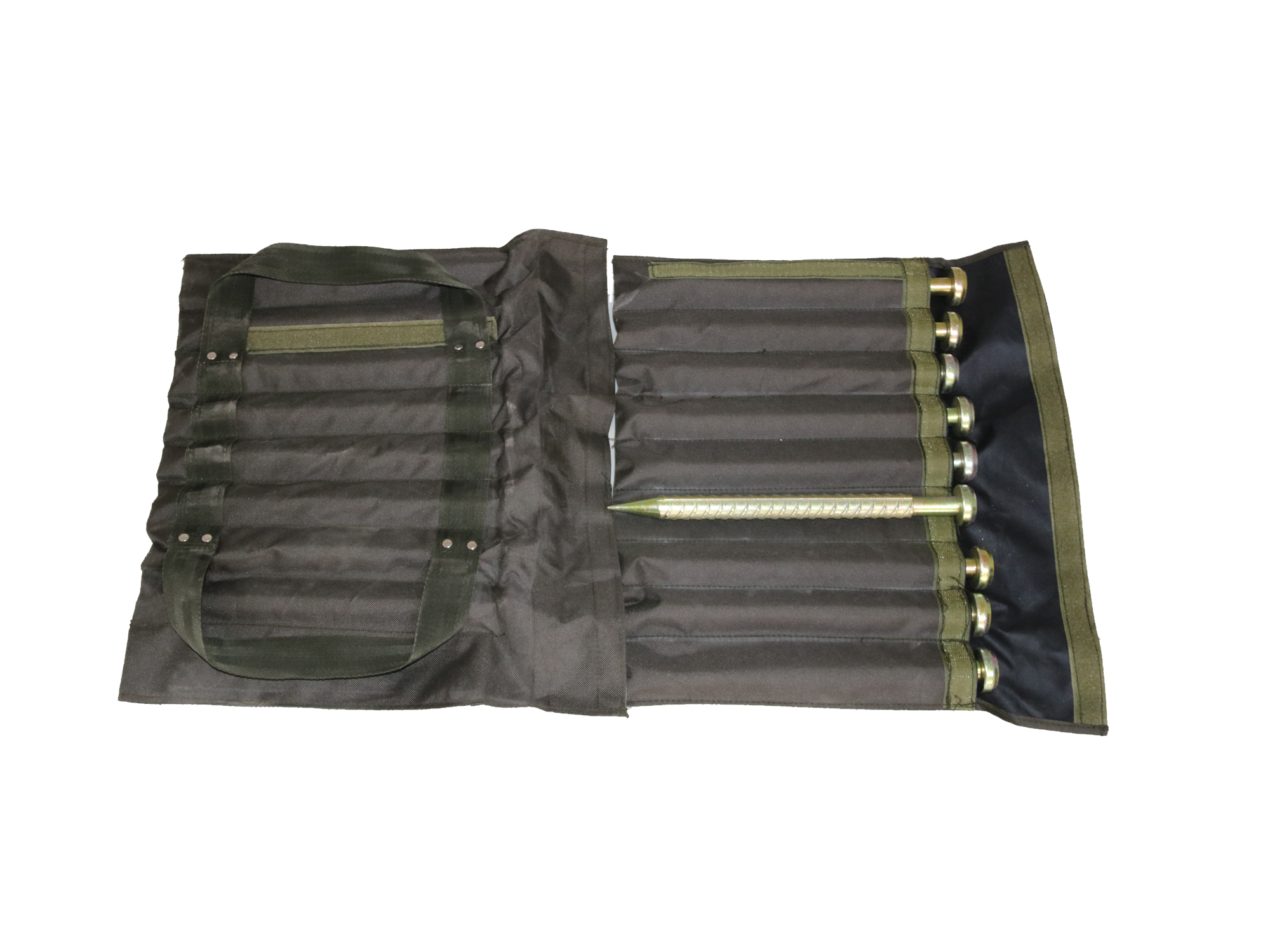
螺纹地钎SS-DQ30020

螺纹地钎SS-DQ30020
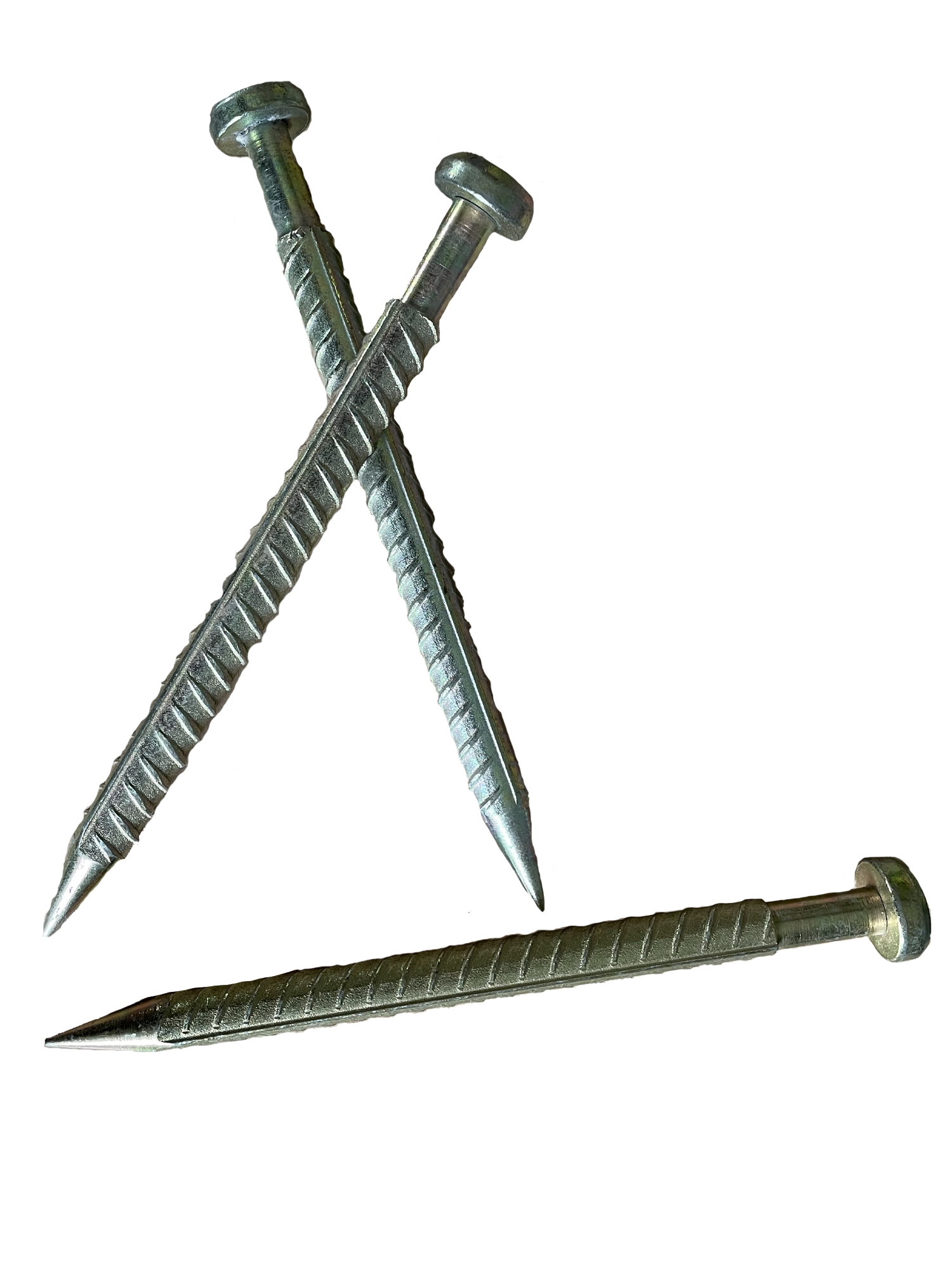
福彩网51115螺纹地钎SS-DQ30020
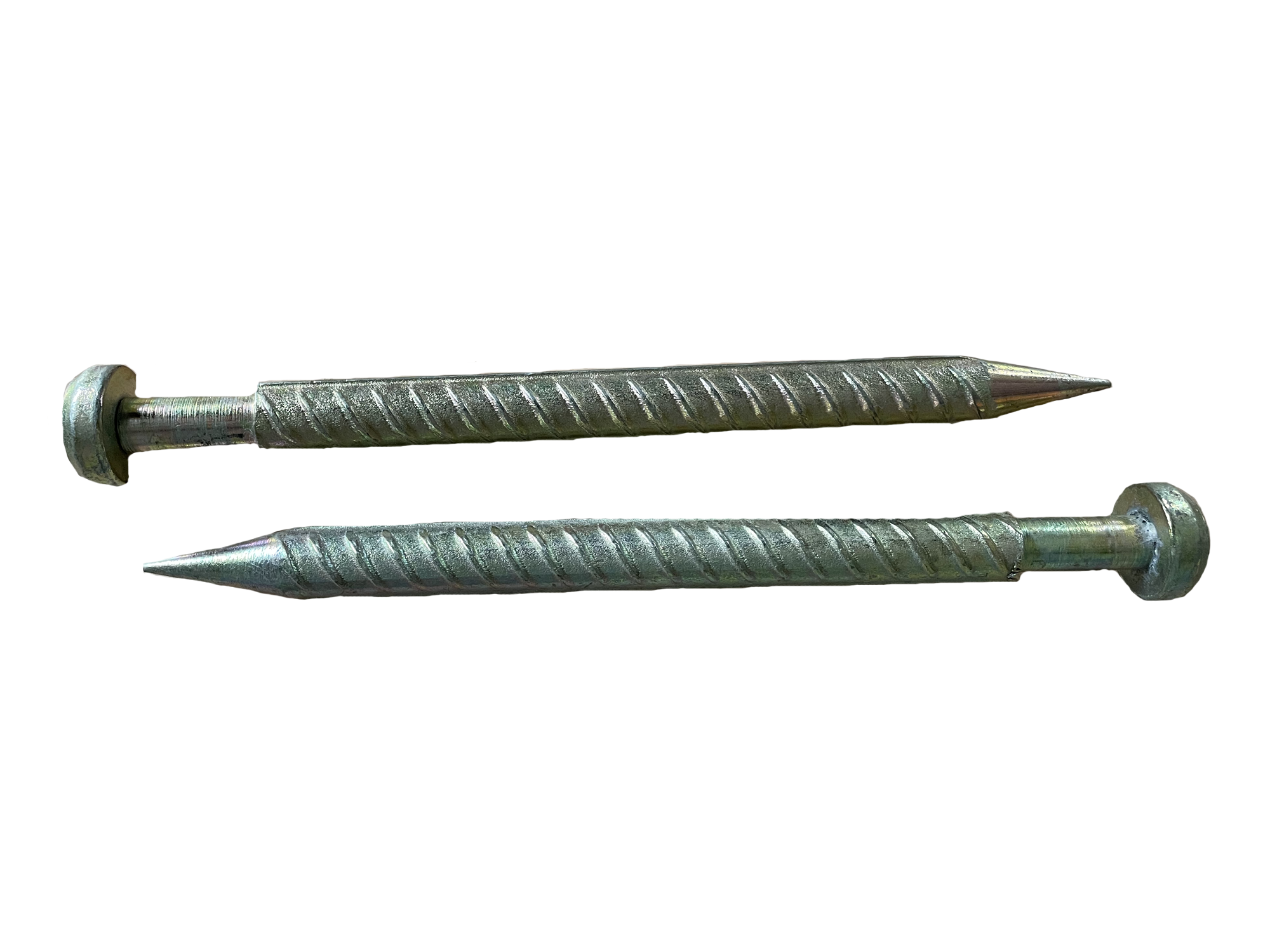
螺纹地钎SS-DQ30020
 山东三所新材料技术有限公司
联系电话:13466640666
联系地址:山东省济宁市任城区美恒济宁国际汽车博览城4号楼2单元0507号

 扫码微信联系
 分类中心
分类中心